Practical Field Guide to Planning Reliable HVAC and Plumbing Upgrades
Assess the big picture before any tool comes out of the truck. Clarify the purpose of your upgrade, expected loads, building envelope condition, and water distribution needs. Map zones, occupancy patterns, and hot water demand curves. When airflow and pipe routes are sketched, identify clearance constraints and code triggers. This initial scoping prevents surprises that force change orders, compress schedules, and inflate lifecycle costs.
Meanwhile, align HVAC and plumbing choices with the building’s electrical capacity, gas delivery, drainage slopes, and venting paths. Verify panel space and service amperage for compressors or pumps, and validate flue compatibility for burners or Hot Water Heaters. Early utility checks help right-size equipment, avoid nuisance trips, and preserve headroom for future expansion or electrification projects.
Beyond that, sequence the work to minimize downtime. Phase rough-ins so duct trunks, condensate lines, supply branches, and domestic piping don’t conflict. Stage material deliveries to match installation windows and weather constraints. Buffer critical-path steps with inspection lead time for pressure tests, drain-waste-vent checks, and combustion air verification. This approach keeps trades from stepping on each other’s workflows.
Often, indoor comfort hinges on more than tonnage or pipe diameter. Calibrate airflow with room-by-room calculations, damper placement, and return sizing to prevent pressure imbalances. Validate hydronic loop lengths and pump heads to quiet circulation and stabilize temperatures. Then confirm filtration grades and ventilation rates that support better Indoor Air Quality without overtaxing fans or causing draft complaints.
However, equipment selection should reflect serviceability as much as efficiency. Choose air handlers, boilers, or Heat Pumps with clear panels, readable labels, and access for test instruments. Provide isolation valves, unions, and cleanouts at predictable intervals. Document model numbers, filter sizes, belt types, and refrigerant specifications. Good documentation lowers diagnostic time and supports consistent HVAC Maintenance across seasons.
In practice, acoustics and vibration control deserve early attention. Place condensers away from bedrooms or conference rooms, and add pads or isolators under pumps and air handlers. Inspect structure-borne paths through hangers and supports. Refine duct and pipe layouts to reduce turbulence and water hammer. Small investments here improve perceived quality and reduce callbacks related to noise.
Then, plan for resilience and emergency response. Install service disconnects, drain valves, and test ports where technicians can reach them during storms or after-hours calls. Provide clear pathways for Emergency Furnace Repair or Emergency AC Repair so panels and trap primers aren’t blocked by storage. Simple access decisions shorten outages and protect perishable goods, sensitive electronics, or tenant satisfaction.
Additionally, consider application-specific systems that elevate performance. Radiant Heating can enhance comfort in large open areas with fluctuating loads, while Ductless Mini Split solutions solve zoning challenges in additions or server rooms. For properties with challenging winters, Snow Melt Systems reduce slip hazards and free staff from constant shoveling. The right mix of technologies depends on envelope performance, usage patterns, and maintenance capacity.
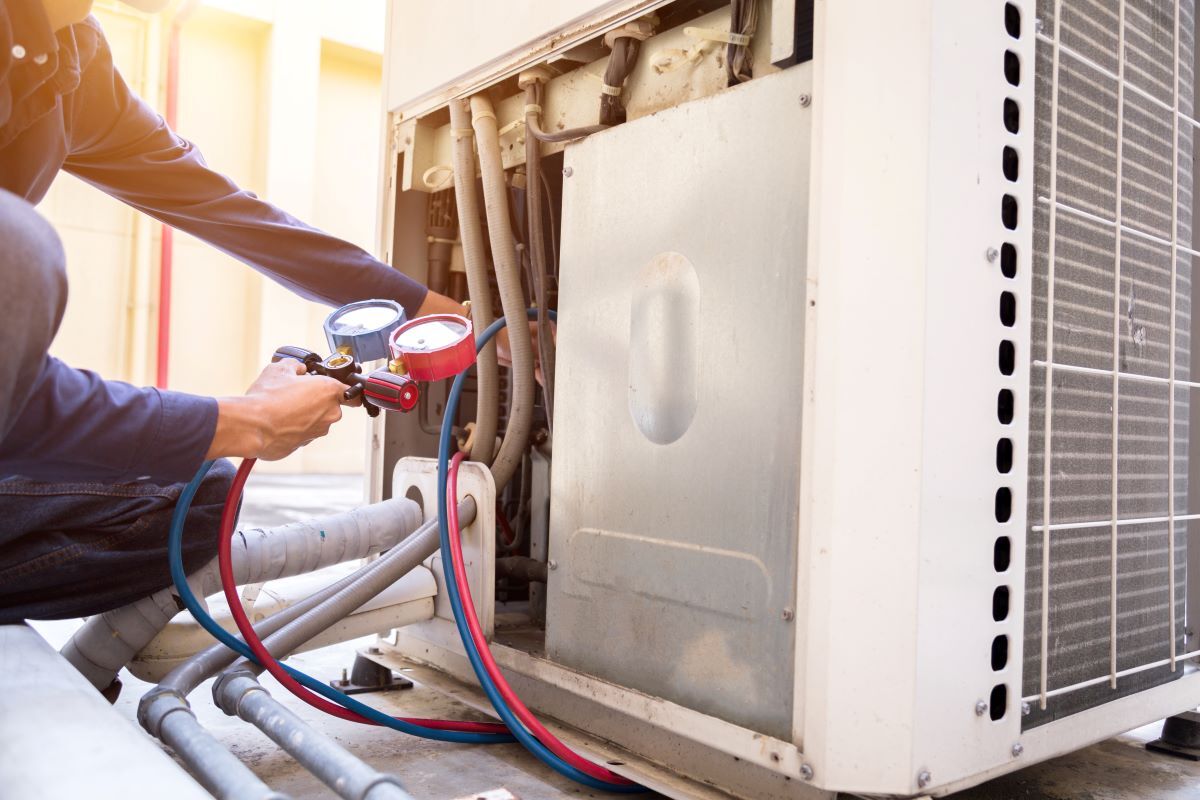
Finally, commissioning isn’t a box to check; it’s a process to validate intent. Inspect charge levels, superheat, and subcool where relevant, and verify supply and return temperatures at design points. Balance zones, purge hydronic loops, and test safety interlocks. Train staff on filter changes, setpoint discipline, and seasonal switchover routines so the system’s baseline performance is maintained over time.
Ultimately, long-term results rely on feedback loops. Track utility consumption, tenant comfort tickets, and service logs to identify drift. Maintain a punch-list of minor issues to address during routine service intervals. When you refine setpoints, schedules, and controls gradually, the system stays tuned, energy profiles stabilize, and occupants experience consistent comfort without disruptive overhauls.